Buy giovannivulpetti.eu ?
We are moving the project
giovannivulpetti.eu .
Are you interested in purchasing the domain
giovannivulpetti.eu ?
domain@kv-gmbh.de · 0541-91531010
Buy giovannivulpetti.eu ?
Which sewing skills are taught in fashion design studies?
In fashion design studies, students are typically taught a variety of sewing skills such as hand stitching, machine stitching, pattern making, garment construction, and finishing techniques. These skills are essential for creating high-quality garments and bringing a designer's vision to life. Students also learn about different types of fabrics, how to properly handle and manipulate them, and how to troubleshoot common sewing issues. Overall, sewing skills are a fundamental aspect of fashion design studies and play a crucial role in the design process. **
What sewing skills are taught in fashion design studies?
In fashion design studies, students are taught a variety of sewing skills including pattern making, garment construction, and fabric manipulation. They learn how to use sewing machines, hand stitching techniques, and how to work with different types of fabrics. Students also learn about garment fitting, finishing techniques, and how to create professional-quality garments. These skills are essential for fashion designers to bring their designs to life and create wearable, well-constructed clothing. **
Similar search terms for Skills
Top-Angebote
Products related to Skills:
-
Autumn Help With Homework 9+ Learning Pack (4 workbooks to practise essential Key Stage 2 Skills) English, Maths, Skills for SATs, English EssentialsPacked with fun, expert-reviewed activities designed for the second half of Key Stage 2, these workbooks are the perfect link between school and home learning. - Age appropriate content for ages 9 and up - With over 100 stickers included - Supports home learning - Full of activities that make learning fun! - Perfect prep for SATs Included: - 9+ English - 9+ Maths - 9+ Skills for SATs - 9+ English Essentials7,99 £*Shipping: 2,99 £Secure redirect to the provider
-
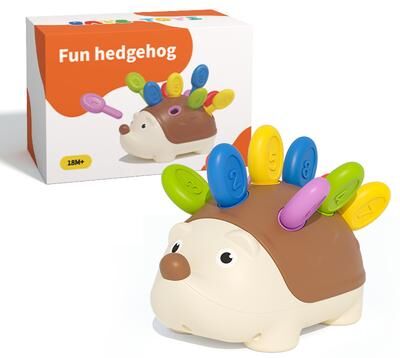
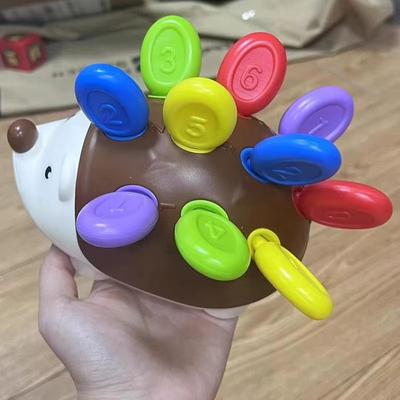
JoyToys Montessori Fine Motor Skills Counting Toy For Toddlers Sensory Learning Activity Montessori Fine Motor Skills Counting Toy For Toddlers Sensory Learning ActivityExperience handson learning through play with this Montessori toy designed to inspire curious young minds. Perfect for toddlers and preschoolers, it combines counting, sorting, and color recognition into one engaging activity that keeps little hands...39,97 $*Shipping: 0,00 $Secure redirect to the provider
-
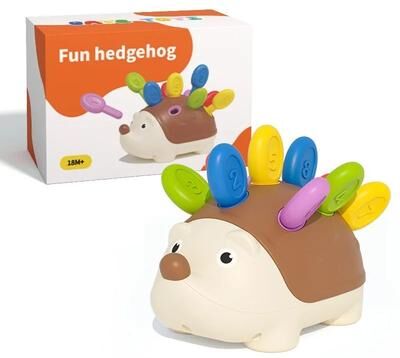
Inspired Finds HedgePop Montessori Hedgehog Insert Toy For Fine Motor Skills And Focus HedgePop Montessori Hedgehog Insert Toy For Fine Motor Skills And FocusGive little hands a fun way to learn through play with this adorable Montessori fine motor toy designed to build coordination, focus, and confidence. The HedgePop insert game invites children to pick up and place pieces into the hedgehog, turning...34,99 $*Shipping: 0,00 $Secure redirect to the provider
-
Uplift Essentials Hedgehog Montessori Toy For Fine Motor Skills, Counting, And Sensory Learning Hedgehog Montessori Toy For Fine Motor Skills, Counting, And Sensory LearningA Fun Way for Toddlers to Learn and Build Skills This Montessori inspired hedgehog toy helps toddlers strengthen fine motor skills, color recognition, counting, and hand eye coordination. Children insert the colorful pegs into the hedgehogs back,...59,97 $*Shipping: 0,00 $Secure redirect to the provider

-
How can I improve my Italian language skills?
To improve your Italian language skills, you can start by practicing speaking and listening to Italian as much as possible. You can do this by finding a language exchange partner, watching Italian movies or TV shows, and listening to Italian music or podcasts. Additionally, reading Italian books, newspapers, and websites can help improve your vocabulary and comprehension. Finally, consider taking an Italian language course or using language learning apps to further enhance your skills. Consistent practice and exposure to the language will help you improve your Italian language skills over time. **
-
In which professions can Italian language skills be useful?
Italian language skills can be useful in a variety of professions, including tourism and hospitality, international business and trade, diplomacy and international relations, translation and interpretation, and teaching Italian as a foreign language. Additionally, Italian language skills can be beneficial for professionals in the arts and culture sector, such as art history, music, and literature, as well as in the field of fashion and design, given Italy's prominent role in these industries. Overall, proficiency in Italian can open up opportunities in a wide range of career paths. **
-
What are hard skills and soft skills?
Hard skills are specific, teachable abilities or knowledge that can be easily quantified, such as technical skills like coding, data analysis, or foreign language proficiency. Soft skills, on the other hand, are more subjective and harder to quantify, focusing on interpersonal skills like communication, teamwork, problem-solving, and emotional intelligence. While hard skills are essential for performing specific tasks, soft skills are crucial for effectively working with others and navigating complex social situations in the workplace. Both types of skills are important for success in any job. **
-
What language skills (French, Italian) are required for working in Switzerland?
In Switzerland, the language skills required for working depend on the region and the specific job. In the French-speaking regions such as Geneva and Lausanne, proficiency in French is often necessary for many jobs. In the Italian-speaking region of Ticino, Italian language skills may be required. However, in the German-speaking regions such as Zurich and Bern, proficiency in German is typically the most important language skill for working in Switzerland. It's important to research the specific language requirements for the region and industry you are interested in before applying for jobs in Switzerland. **
How do subject-specific skills and social skills develop?
Subject-specific skills develop through practice, repetition, and exposure to the relevant content. For example, a student develops math skills through solving problems and learning new concepts. Social skills, on the other hand, develop through interaction with others, such as communication, cooperation, and empathy. Both types of skills can be nurtured through formal education, as well as through real-world experiences and social interactions. **
What is the difference between IT skills and PC skills?
IT skills refer to a broader set of abilities related to information technology, such as networking, cybersecurity, programming, and database management. On the other hand, PC skills specifically pertain to the knowledge and proficiency in using personal computers, including operating systems, software applications, and basic troubleshooting. While IT skills encompass a wider range of technical competencies, PC skills are more focused on the practical use of computers for everyday tasks. **
Top-Angebote
Products related to Skills:
-
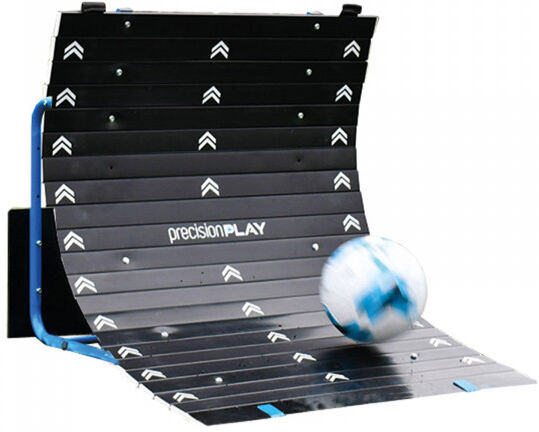
PrecisionPLAY Skills Trainer Ramp RebounderPrecisionPLAY Skills Trainer Ramp Rebounder packs several training options into one setup. The angled ramp sends the ball back at different heights and angles. Good for control, volleys and quick reactions.Behind the ramp, a rebound board returns passes straight to your feet. In the centre, a...129,95 £*Shipping: 0,00 £Secure redirect to the provider
-
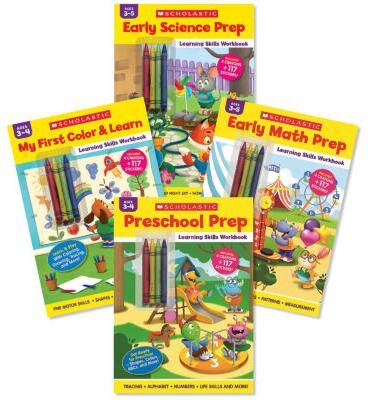
Learning Skills Workbook Ages 3-5 Value PackSupport your child's preschool readiness with these fun workbooks. Each workbook comes with four crayons and stickers.This set includes:Early Math Prep Learning Skills WorkbookEarly Science Prep: Learning Skills WorkbookMy First Color & Learn:...32,99 $*Shipping: 0,00 $Secure redirect to the provider
-
Autumn Help With Homework 9+ Learning Pack (4 workbooks to practise essential Key Stage 2 Skills) English, Maths, Skills for SATs, English EssentialsPacked with fun, expert-reviewed activities designed for the second half of Key Stage 2, these workbooks are the perfect link between school and home learning. - Age appropriate content for ages 9 and up - With over 100 stickers included - Supports home learning - Full of activities that make learning fun! - Perfect prep for SATs Included: - 9+ English - 9+ Maths - 9+ Skills for SATs - 9+ English Essentials7,99 £*Shipping: 2,99 £Secure redirect to the provider
-
JoyToys Montessori Fine Motor Skills Counting Toy For Toddlers Sensory Learning Activity Montessori Fine Motor Skills Counting Toy For Toddlers Sensory Learning ActivityExperience handson learning through play with this Montessori toy designed to inspire curious young minds. Perfect for toddlers and preschoolers, it combines counting, sorting, and color recognition into one engaging activity that keeps little hands...39,97 $*Shipping: 0,00 $Secure redirect to the provider
-
Which sewing skills are taught in fashion design studies?
In fashion design studies, students are typically taught a variety of sewing skills such as hand stitching, machine stitching, pattern making, garment construction, and finishing techniques. These skills are essential for creating high-quality garments and bringing a designer's vision to life. Students also learn about different types of fabrics, how to properly handle and manipulate them, and how to troubleshoot common sewing issues. Overall, sewing skills are a fundamental aspect of fashion design studies and play a crucial role in the design process. **
-
What sewing skills are taught in fashion design studies?
In fashion design studies, students are taught a variety of sewing skills including pattern making, garment construction, and fabric manipulation. They learn how to use sewing machines, hand stitching techniques, and how to work with different types of fabrics. Students also learn about garment fitting, finishing techniques, and how to create professional-quality garments. These skills are essential for fashion designers to bring their designs to life and create wearable, well-constructed clothing. **
-
How can I improve my Italian language skills?
To improve your Italian language skills, you can start by practicing speaking and listening to Italian as much as possible. You can do this by finding a language exchange partner, watching Italian movies or TV shows, and listening to Italian music or podcasts. Additionally, reading Italian books, newspapers, and websites can help improve your vocabulary and comprehension. Finally, consider taking an Italian language course or using language learning apps to further enhance your skills. Consistent practice and exposure to the language will help you improve your Italian language skills over time. **
-
In which professions can Italian language skills be useful?
Italian language skills can be useful in a variety of professions, including tourism and hospitality, international business and trade, diplomacy and international relations, translation and interpretation, and teaching Italian as a foreign language. Additionally, Italian language skills can be beneficial for professionals in the arts and culture sector, such as art history, music, and literature, as well as in the field of fashion and design, given Italy's prominent role in these industries. Overall, proficiency in Italian can open up opportunities in a wide range of career paths. **
Similar search terms for Skills
-
Inspired Finds HedgePop Montessori Hedgehog Insert Toy For Fine Motor Skills And Focus HedgePop Montessori Hedgehog Insert Toy For Fine Motor Skills And FocusGive little hands a fun way to learn through play with this adorable Montessori fine motor toy designed to build coordination, focus, and confidence. The HedgePop insert game invites children to pick up and place pieces into the hedgehog, turning...34,99 $*Shipping: 0,00 $Secure redirect to the provider
-
Uplift Essentials Hedgehog Montessori Toy For Fine Motor Skills, Counting, And Sensory Learning Hedgehog Montessori Toy For Fine Motor Skills, Counting, And Sensory LearningA Fun Way for Toddlers to Learn and Build Skills This Montessori inspired hedgehog toy helps toddlers strengthen fine motor skills, color recognition, counting, and hand eye coordination. Children insert the colorful pegs into the hedgehogs back,...59,97 $*Shipping: 0,00 $Secure redirect to the provider
-
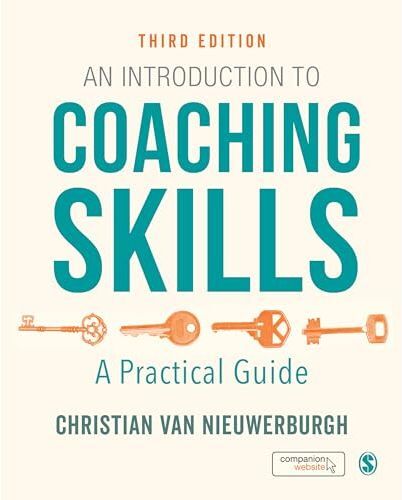
SAGE Publications An Introduction to Coaching Skills: A Practical GuideTo access the exclusive SAGE Videos, please see the code and instructions on the inside front cover of your textbook. If you have purchased the eBook from Amazon or another online retailer, please visit the book′s online resource site to contact SAGE, and we will assist further. This bestselling book introduces you step-by-step to the key skills needed to become a successful coach. Supported by an Online Resource site with over 70 videos of coaching in action, this practical book will be an invaluable resource for novices and trainee coaches.19,49 £*Shipping: 2,99 £Secure redirect to the provider
-
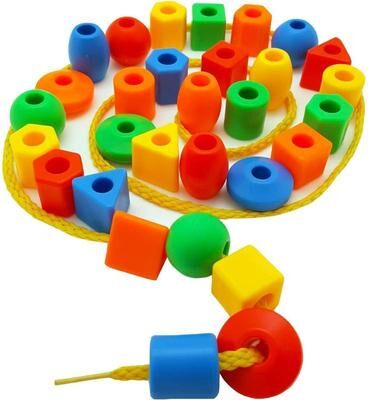
JoyToys Rainbow Montessori Lacing Beads Threading Toy For Fine Motor Skills & Early Learning Rainbow Montessori Lacing Beads Threading Toy For Fine Motor Skills & Early LearningTurn everyday play into meaningful learning with this colorful Montessori lacing beads set designed to inspire curious young minds. Featuring 25 vibrant beads and 3 easytothread strings, this threading toy helps toddlers and preschoolers build...37,97 $*Shipping: 0,00 $Secure redirect to the provider
-
What are hard skills and soft skills?
Hard skills are specific, teachable abilities or knowledge that can be easily quantified, such as technical skills like coding, data analysis, or foreign language proficiency. Soft skills, on the other hand, are more subjective and harder to quantify, focusing on interpersonal skills like communication, teamwork, problem-solving, and emotional intelligence. While hard skills are essential for performing specific tasks, soft skills are crucial for effectively working with others and navigating complex social situations in the workplace. Both types of skills are important for success in any job. **
-
What language skills (French, Italian) are required for working in Switzerland?
In Switzerland, the language skills required for working depend on the region and the specific job. In the French-speaking regions such as Geneva and Lausanne, proficiency in French is often necessary for many jobs. In the Italian-speaking region of Ticino, Italian language skills may be required. However, in the German-speaking regions such as Zurich and Bern, proficiency in German is typically the most important language skill for working in Switzerland. It's important to research the specific language requirements for the region and industry you are interested in before applying for jobs in Switzerland. **
-
How do subject-specific skills and social skills develop?
Subject-specific skills develop through practice, repetition, and exposure to the relevant content. For example, a student develops math skills through solving problems and learning new concepts. Social skills, on the other hand, develop through interaction with others, such as communication, cooperation, and empathy. Both types of skills can be nurtured through formal education, as well as through real-world experiences and social interactions. **
-
What is the difference between IT skills and PC skills?
IT skills refer to a broader set of abilities related to information technology, such as networking, cybersecurity, programming, and database management. On the other hand, PC skills specifically pertain to the knowledge and proficiency in using personal computers, including operating systems, software applications, and basic troubleshooting. While IT skills encompass a wider range of technical competencies, PC skills are more focused on the practical use of computers for everyday tasks. **
* All prices are inclusive of VAT and, if applicable, plus shipping costs. The offer information is based on the details provided by the respective shop and is updated through automated processes. Real-time updates do not occur, so deviations can occur in individual cases. ** Note: Parts of this content were created by AI.