Buy giovannivulpetti.eu ?
We are moving the project
giovannivulpetti.eu .
Are you interested in purchasing the domain
giovannivulpetti.eu ?
domain@kv-gmbh.de · 0541-91531010
Buy giovannivulpetti.eu ?
What does 'using namespace std' stand for?
'using namespace std' is a directive in C++ that allows the programmer to use names from the standard C++ library without specifying the namespace each time. This means that you can directly use functions and objects from the standard library without having to prefix them with 'std::'. It can make the code more concise and readable, but it may also lead to naming conflicts if multiple libraries are used. **
What does using namespace std stand for?
Using namespace std stands for using the standard namespace in C++. It allows you to access standard C++ library functions and objects without having to prefix them with "std::". This can make your code cleaner and easier to read. However, it is generally considered a bad practice to use "using namespace std" in header files or large projects, as it can lead to naming conflicts. **

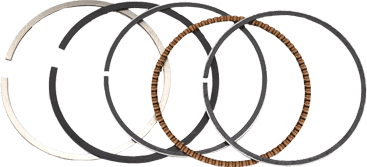
Similar search terms for ENGITECH-ENT041103-STD-Piston
Top-Angebote
Products related to ENGITECH-ENT041103-STD-Piston:
-
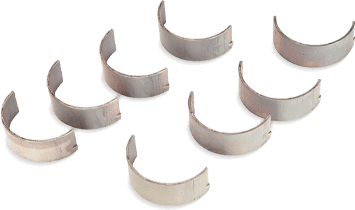
ENGITECH ENT074002 STD Big End Bearingsfor wall thickness from [mm]: 1,497; for shaft diameter from [mm]: 42,971; for shaft diameter to [mm]: 42,987; for housing diameter from [mm]: 46; for housing diameter up to [mm]: 46,012; Width from [mm]: 16,6; TecDoc Engine Number: 17626, 18730, 14923, 14920, 17892, 2733, 20060, 4820, 4780, 4718, 4787, 16394, 26188, 17893, 4722, 4781, 4724, 4726, 4728, 4782, 4783, 4788, 4811, 4723, 4725, 4810, 4740, 2734, 22587, 31851, 4785, 5308, 17558, 17561, 14828, 4819, 2732, 8405, 4789, 2735, 742, 5490, 13688, 17894, 9509, 17583, 17618, 17623, 39497, 17608, 17562, 4784, 25784, 22591, 17590, 17589, 17624, 21179, 4736, 17937, 22874, 17631, 17939, 25517, 22592, 25168, 21110, 14922, 17633, 15089, 17632, 4730, 16169, 4719, 16393, 23720, 21875, 18079, 18838, 29516, 22588, 21873, 35047, 32833, 24742, 32196, 26892, 25706, 29609, 32386; Construction Year from: 01/1990, 09/1992, 03/1979, 02/1998; Construction Year to: 12/1992, 08/1986, 08/1989, 08/19947,99 £*Shipping: 8,45 £Secure redirect to the provider
-
ENGITECH ENT081020 CamshaftFitting Position: Exhaust Side; Material: Steel; Length [mm]: 389; TecDoc Engine Number: 25205, 25206, 18508, 23537, 16426, 18509, 24351, 25790, 25791, 18512, 31288, 19911, 19824, 18520, 17506, 17988, 17989, 19913, 18478, 18479, 24660, 24348, 20849, 27840, 18832, 35776, 20147, 35775, 34426, 24701, 24692, 24693, 24776, 30793, 20982, 21321, 21322, 25064, 29161, 36833, 29162, 24416, 24417, 23543, 22681, 24418, 2441979,99 £*Shipping: 8,45 £Secure redirect to the provider



-
What does STD, ETD mean at the airport?
STD stands for Scheduled Time of Departure, which is the expected time that a flight is scheduled to depart from the airport. ETD stands for Estimated Time of Departure, which is the updated or revised time that a flight is expected to depart, taking into account any delays or changes in the schedule. These terms are used by airlines and airport staff to communicate the departure times of flights to passengers and other personnel. **
-
How can I output a std::string in a RichTextBox?
To output a std::string in a RichTextBox in C++, you can use the following steps: 1. Convert the std::string to a System::String^ using the marshal_as function from the msclr/marshal.h header file. 2. Once you have the System::String^, you can use the AppendText method of the RichTextBox control to append the string to the RichTextBox. Here's an example of how you can achieve this: ```cpp #include <msclr/marshal.h> using namespace System; using namespace System::Windows::Forms; using namespace msclr::interop; // Assuming richTextBox1 is the name of your RichTextBox control std::string myString = "Hello, world!"; System::String^ managedString = marshal_as<System::String^>(myString); richTextBox1->AppendText(managedString); ``` By following these steps, you can easily output a std::string in a RichTextBox in C++. **
-
What is piston seizure?
Piston seizure is a condition that occurs when the piston in an engine becomes stuck or frozen within the cylinder. This can happen due to overheating, lack of lubrication, or poor quality fuel. When piston seizure occurs, it can cause serious damage to the engine and may require extensive repairs or even a full engine replacement. It is important to address the underlying cause of piston seizure to prevent further damage to the engine. **
-
How can you convert a C++ std::string to a char?
You can convert a C++ std::string to a char array by using the c_str() method of the std::string class. This method returns a pointer to a null-terminated array of characters representing the string's contents. You can then use this pointer to access the characters of the string as a char array. Keep in mind that the char array returned by c_str() is read-only and should not be modified. **


What does using namespace std do in a C++ program exactly?
Using "namespace std" in a C++ program allows us to access the standard C++ library, which contains a variety of functions, classes, and objects that are commonly used in C++ programming. By using this namespace, we can avoid having to prefix standard library elements with "std::" every time we use them, making our code more concise and readable. However, it is generally considered a good practice to avoid using "using namespace std" in larger programs, as it can lead to naming conflicts and make the code harder to maintain. **
How to calculate the piston area and piston diameter in a pneumatic cylinder?
To calculate the piston area in a pneumatic cylinder, you can use the formula: Area = π * (Diameter/2)^2, where Diameter is the diameter of the piston. To find the piston diameter, you can rearrange the formula to solve for Diameter: Diameter = 2 * √(Area/π). By knowing the piston area and applying these formulas, you can easily calculate the piston diameter in a pneumatic cylinder. **
Top-Angebote
Products related to ENGITECH-ENT041103-STD-Piston:
-
ENGITECH ENT074002 STD Big End Bearingsfor wall thickness from [mm]: 1,497; for shaft diameter from [mm]: 42,971; for shaft diameter to [mm]: 42,987; for housing diameter from [mm]: 46; for housing diameter up to [mm]: 46,012; Width from [mm]: 16,6; TecDoc Engine Number: 17626, 18730, 14923, 14920, 17892, 2733, 20060, 4820, 4780, 4718, 4787, 16394, 26188, 17893, 4722, 4781, 4724, 4726, 4728, 4782, 4783, 4788, 4811, 4723, 4725, 4810, 4740, 2734, 22587, 31851, 4785, 5308, 17558, 17561, 14828, 4819, 2732, 8405, 4789, 2735, 742, 5490, 13688, 17894, 9509, 17583, 17618, 17623, 39497, 17608, 17562, 4784, 25784, 22591, 17590, 17589, 17624, 21179, 4736, 17937, 22874, 17631, 17939, 25517, 22592, 25168, 21110, 14922, 17633, 15089, 17632, 4730, 16169, 4719, 16393, 23720, 21875, 18079, 18838, 29516, 22588, 21873, 35047, 32833, 24742, 32196, 26892, 25706, 29609, 32386; Construction Year from: 01/1990, 09/1992, 03/1979, 02/1998; Construction Year to: 12/1992, 08/1986, 08/1989, 08/19947,99 £*Shipping: 8,45 £Secure redirect to the provider
-
What does 'using namespace std' stand for?
'using namespace std' is a directive in C++ that allows the programmer to use names from the standard C++ library without specifying the namespace each time. This means that you can directly use functions and objects from the standard library without having to prefix them with 'std::'. It can make the code more concise and readable, but it may also lead to naming conflicts if multiple libraries are used. **
-
What does using namespace std stand for?
Using namespace std stands for using the standard namespace in C++. It allows you to access standard C++ library functions and objects without having to prefix them with "std::". This can make your code cleaner and easier to read. However, it is generally considered a bad practice to use "using namespace std" in header files or large projects, as it can lead to naming conflicts. **
-
What does STD, ETD mean at the airport?
STD stands for Scheduled Time of Departure, which is the expected time that a flight is scheduled to depart from the airport. ETD stands for Estimated Time of Departure, which is the updated or revised time that a flight is expected to depart, taking into account any delays or changes in the schedule. These terms are used by airlines and airport staff to communicate the departure times of flights to passengers and other personnel. **
-
How can I output a std::string in a RichTextBox?
To output a std::string in a RichTextBox in C++, you can use the following steps: 1. Convert the std::string to a System::String^ using the marshal_as function from the msclr/marshal.h header file. 2. Once you have the System::String^, you can use the AppendText method of the RichTextBox control to append the string to the RichTextBox. Here's an example of how you can achieve this: ```cpp #include <msclr/marshal.h> using namespace System; using namespace System::Windows::Forms; using namespace msclr::interop; // Assuming richTextBox1 is the name of your RichTextBox control std::string myString = "Hello, world!"; System::String^ managedString = marshal_as<System::String^>(myString); richTextBox1->AppendText(managedString); ``` By following these steps, you can easily output a std::string in a RichTextBox in C++. **
Similar search terms for ENGITECH-ENT041103-STD-Piston
-
ENGITECH ENT081020 CamshaftFitting Position: Exhaust Side; Material: Steel; Length [mm]: 389; TecDoc Engine Number: 25205, 25206, 18508, 23537, 16426, 18509, 24351, 25790, 25791, 18512, 31288, 19911, 19824, 18520, 17506, 17988, 17989, 19913, 18478, 18479, 24660, 24348, 20849, 27840, 18832, 35776, 20147, 35775, 34426, 24701, 24692, 24693, 24776, 30793, 20982, 21321, 21322, 25064, 29161, 36833, 29162, 24416, 24417, 23543, 22681, 24418, 2441979,99 £*Shipping: 8,45 £Secure redirect to the provider
-
What is piston seizure?
Piston seizure is a condition that occurs when the piston in an engine becomes stuck or frozen within the cylinder. This can happen due to overheating, lack of lubrication, or poor quality fuel. When piston seizure occurs, it can cause serious damage to the engine and may require extensive repairs or even a full engine replacement. It is important to address the underlying cause of piston seizure to prevent further damage to the engine. **
-
How can you convert a C++ std::string to a char?
You can convert a C++ std::string to a char array by using the c_str() method of the std::string class. This method returns a pointer to a null-terminated array of characters representing the string's contents. You can then use this pointer to access the characters of the string as a char array. Keep in mind that the char array returned by c_str() is read-only and should not be modified. **
-
What does using namespace std do in a C++ program exactly?
Using "namespace std" in a C++ program allows us to access the standard C++ library, which contains a variety of functions, classes, and objects that are commonly used in C++ programming. By using this namespace, we can avoid having to prefix standard library elements with "std::" every time we use them, making our code more concise and readable. However, it is generally considered a good practice to avoid using "using namespace std" in larger programs, as it can lead to naming conflicts and make the code harder to maintain. **
-
How to calculate the piston area and piston diameter in a pneumatic cylinder?
To calculate the piston area in a pneumatic cylinder, you can use the formula: Area = π * (Diameter/2)^2, where Diameter is the diameter of the piston. To find the piston diameter, you can rearrange the formula to solve for Diameter: Diameter = 2 * √(Area/π). By knowing the piston area and applying these formulas, you can easily calculate the piston diameter in a pneumatic cylinder. **
* All prices are inclusive of VAT and, if applicable, plus shipping costs. The offer information is based on the details provided by the respective shop and is updated through automated processes. Real-time updates do not occur, so deviations can occur in individual cases. ** Note: Parts of this content were created by AI.