Buy giovannivulpetti.eu ?
We are moving the project
giovannivulpetti.eu .
Are you interested in purchasing the domain
giovannivulpetti.eu ?
domain@kv-gmbh.de · 0541-91531010
Buy giovannivulpetti.eu ?
How are economic cycles and economic growth related?
Economic cycles and economic growth are closely related. Economic cycles refer to the fluctuations in economic activity, including periods of expansion and contraction. Economic growth, on the other hand, refers to the long-term increase in a country's output of goods and services. During an economic expansion phase of the cycle, there is typically higher economic growth, as businesses invest and consumer spending increases. Conversely, during a contraction phase, economic growth tends to slow down or even turn negative. Therefore, economic cycles can have a significant impact on the overall level of economic growth in a country. **
What economic and political consequences does the fast fashion industry have?
The fast fashion industry has several economic and political consequences. Economically, it contributes to overconsumption and waste due to its high turnover of clothing styles, leading to environmental issues such as pollution and resource depletion. It also often relies on cheap labor in developing countries, leading to poor working conditions and low wages for garment workers. Politically, the industry can perpetuate inequality and exploitation, as well as create challenges for regulating labor and environmental standards across global supply chains. Additionally, the fast fashion industry can impact local economies by driving out smaller, local businesses that cannot compete with its low prices and high turnover of products. **
Similar search terms for Economic
Top-Angebote
Products related to Economic:
-
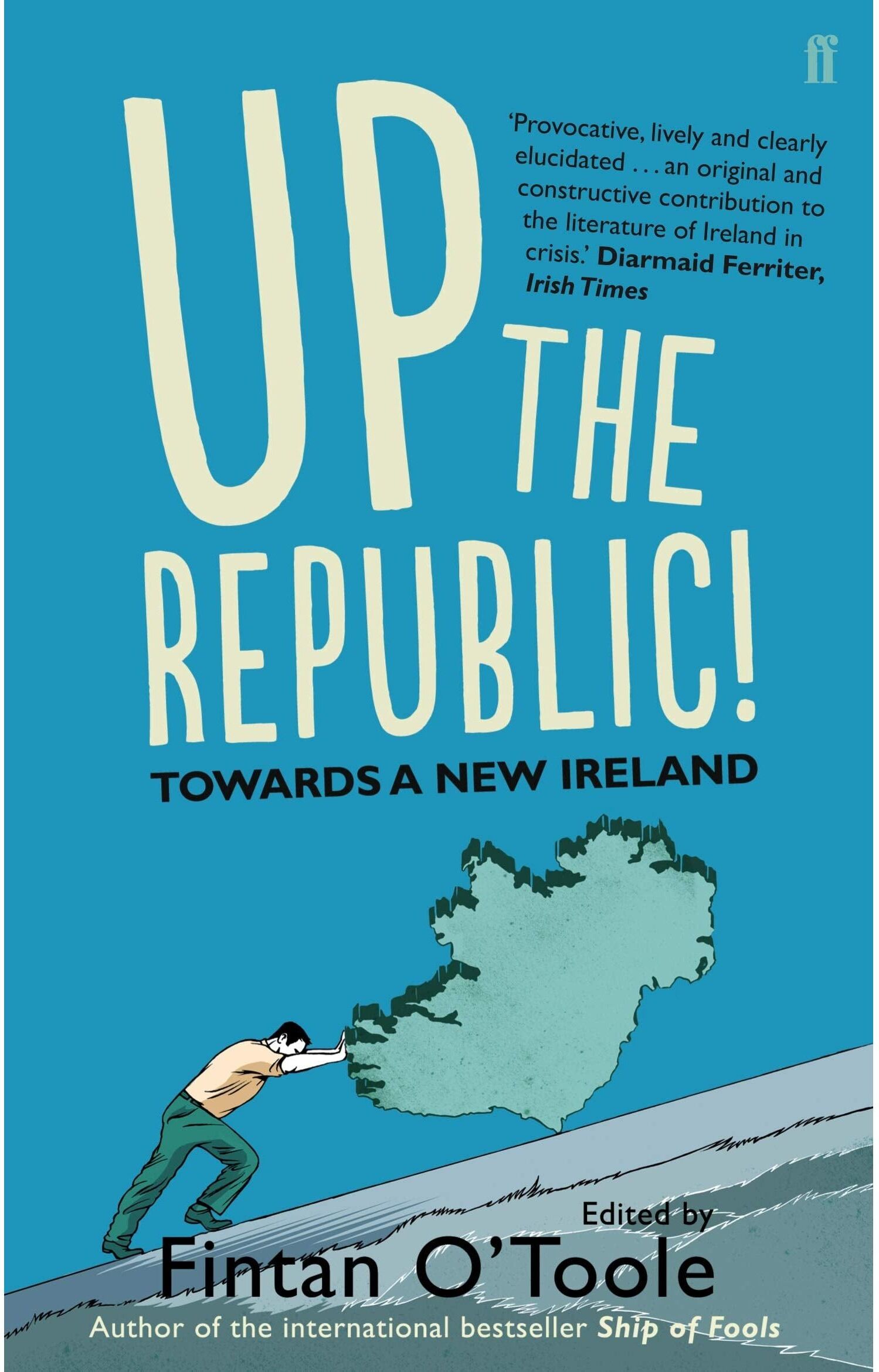
Faber Fintan O'Toole, Up the Republic! (Economic Book, Politics Book)Fintan O'Toole, Up the Republic! (Economic Book, Politics Book) In this important book, historians, lawyers, economists and writers come together to put a coherent case: that although the Irish economic collapse has resulted in national humiliation, renewed emigration and a decline in living standards for the majority of the population, there is still hope that the country can be reformed and renewed. Irish politicians offered the now notorious blanket guarantee to all the banks which had got in over their heads during the great property bubble - including one that had become little more than a criminal enterprise. A different set of politicians grimly enforces the consequences of that guarantee, locking an entire generation of Irish men and women into paying for the mistakes of greedy bankers and their corrupt friends in government. The energy of hope has to come from elsewhere. These essays demonstrate how simple measures and different economic and social policies could release that energy and fulfil the promise of an educated, literate and culturally vibrant people.4,99 £*Shipping: 1,99 £Secure redirect to the provider
-
Crowd Games Nippon: Zaibatsu Strategic Economic Board Game for 1–4 players, Ages 15+Nippon: Zaibatsu is a strategic economic board game set during Japan's Industrial Revolution. Take charge of a powerful zaibatsu, investing in connected businesses as you seek influence across a rapidly modernizing nation. Shape your strategy by developing industries, establishing factories, laying railways, and manufacturing goods for local markets. Complete contracts, pursue valuable bonuses, and decide where your conglomerate's strengths will lie. The choices you make influence both the pace of play and the ways you can score, creating room for different long-term plans. This updated edition revisits the foundations of Nippon with refreshed presentation and reworked systems. New resource types, revised ship mechanisms, and Iwakura missions add further decisions to each game. An automa-driven solo mode also lets one player take on the challenge. Suitable for 1-4 players, this game is recommended for ages 15 and above. Playing time is approximately 60-120 minutes.60,19 £*Shipping: 0,00 £Secure redirect to the provider
-
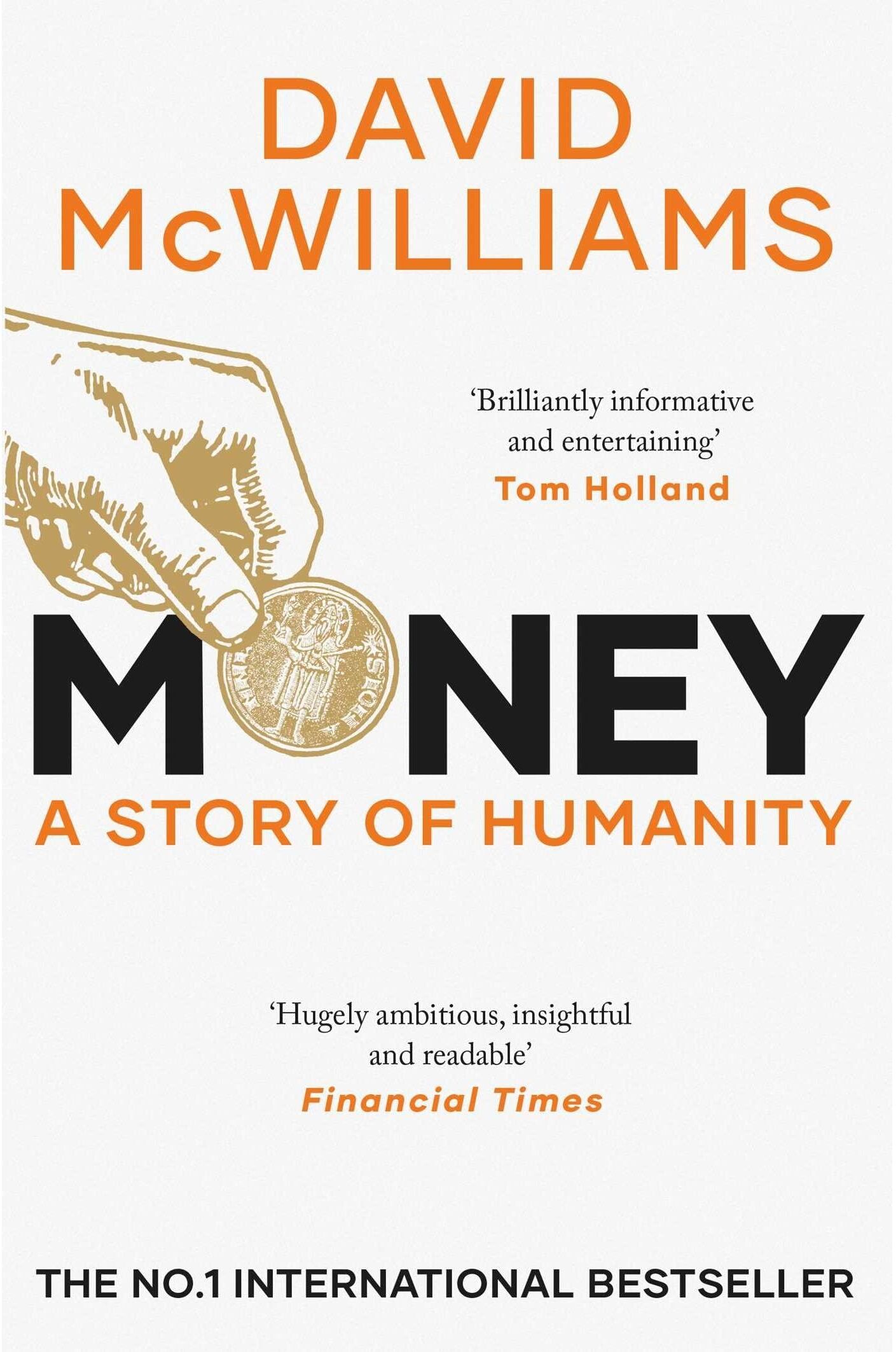
Simon & Schuster Money: A Story of Humanity by David McWilliams Economic History & Global Finance ExplainedIn Money: A Story of Humanity, renowned economist David McWilliams explores the fascinating history of money — not just as currency, but as a powerful force that has shaped human civilisation, relationships, technology, and global society. From ancient barter systems to cryptocurrency revolutions, McWilliams reveals how money reflects our values, ambitions, fears, politics, and culture.Rich with storytelling, sharp insights, and humour, this book makes complex economic ideas accessible, engaging, and deeply human. Perfect for readers who enjoy exploring how history, psychology, markets, and power intersect, Money: A Story of Humanity provides a fresh, eye-opening look at how money drives — and is driven by — human behaviour. Ideal for fans of Yuval Noah Harari, Tim Harford, Niall Ferguson, and Mary Beard.7,99 £*Shipping: 2,99 £Secure redirect to the provider
-
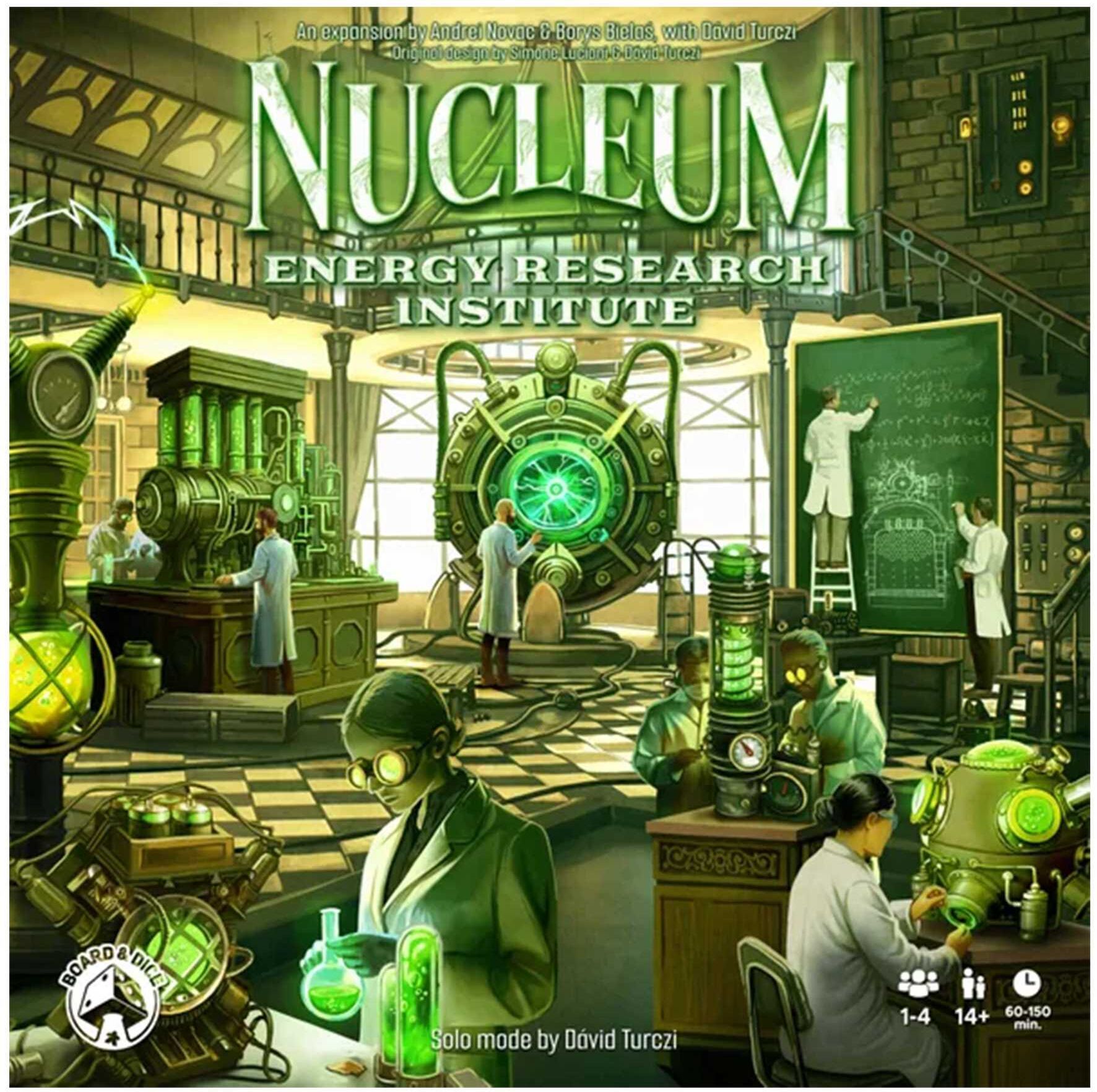
Nucleum: Energy Research Institute Board Game by Board and Dice - Strategic Economic Board Game with Energy Networks and Research DevelopmentBuild an industrial empire in an alternate twentieth century transformed by the Uranium Revolution. In Nucleum: Energy Research Institute, you compete to develop powerful energy networks, attract investment, and earn the support of influential patrons. Plan your routes, expand your research, and connect cities as you develop increasingly ambitious technologies. Every decision affects your progress, from choosing where to construct facilities to deciding when to pursue new contracts and partnerships. Careful resource management and long-term planning are essential as you compete to become a respected entrepreneur of the age. This strategic economic board game is set during an alternate industrial revolution, where you must balance research, investment, construction, and technological progress to succeed.21,99 £*Shipping: 1,99 £Secure redirect to the provider

-
How does economic growth occur in the economic cycle?
Economic growth occurs in the economic cycle through a combination of factors. During the expansion phase of the cycle, businesses invest in new equipment and technology, leading to increased productivity and output. This increased production leads to higher employment levels and consumer spending, further fueling economic growth. Additionally, during this phase, consumer and business confidence is high, leading to increased investment and spending. Overall, economic growth occurs as a result of increased production, employment, and investment during the expansion phase of the economic cycle. **
-
What is the difference between economic system and economic process?
An economic system refers to the structure and organization of an economy, including the institutions, laws, and policies that govern economic activity. It encompasses the overall framework within which economic decisions are made, resources are allocated, and goods and services are produced and distributed. On the other hand, an economic process refers to the specific actions and activities that take place within an economic system, such as production, consumption, investment, and trade. While the economic system sets the rules and parameters for these processes, the economic process involves the day-to-day activities and transactions that drive the economy. **
-
Are we in an economic crisis or a global economic crisis?
We are currently facing a global economic crisis due to the impact of the COVID-19 pandemic. The pandemic has caused widespread disruptions to economies around the world, leading to job losses, business closures, and financial instability. Governments and central banks have implemented various measures to mitigate the economic fallout, but the full extent of the crisis is still unfolding. The interconnected nature of the global economy means that the effects of this crisis are being felt on a worldwide scale. **
-
How can sustainable economic activity be reconciled with simultaneous economic growth?
Sustainable economic activity can be reconciled with simultaneous economic growth by implementing policies and practices that prioritize environmental and social considerations alongside economic development. This can include investing in renewable energy, promoting sustainable agriculture, and implementing regulations to reduce pollution and waste. Additionally, businesses can adopt sustainable practices such as reducing energy consumption, minimizing waste, and promoting fair labor practices. By integrating sustainability into economic decision-making, it is possible to achieve economic growth while also preserving natural resources and promoting social well-being for future generations. **

What are economic sectors?
Economic sectors are categories of the economy that group together businesses that produce similar goods or services. The three main economic sectors are primary (agriculture, mining), secondary (manufacturing, construction), and tertiary (services, retail). Each sector plays a vital role in the overall economy and contributes to the production and distribution of goods and services. Understanding the different economic sectors helps policymakers, businesses, and investors make informed decisions about resource allocation and economic development. **
What is economic housework?
Economic housework refers to the unpaid labor that individuals, typically women, perform within the household to maintain and care for the home and family. This includes tasks such as cooking, cleaning, childcare, and managing household finances. Despite being essential for the functioning of a household and the well-being of its members, economic housework is often undervalued and goes unrecognized in traditional economic models. This can contribute to gender inequalities in terms of income, career opportunities, and overall well-being. **
Top-Angebote
Products related to Economic:
-
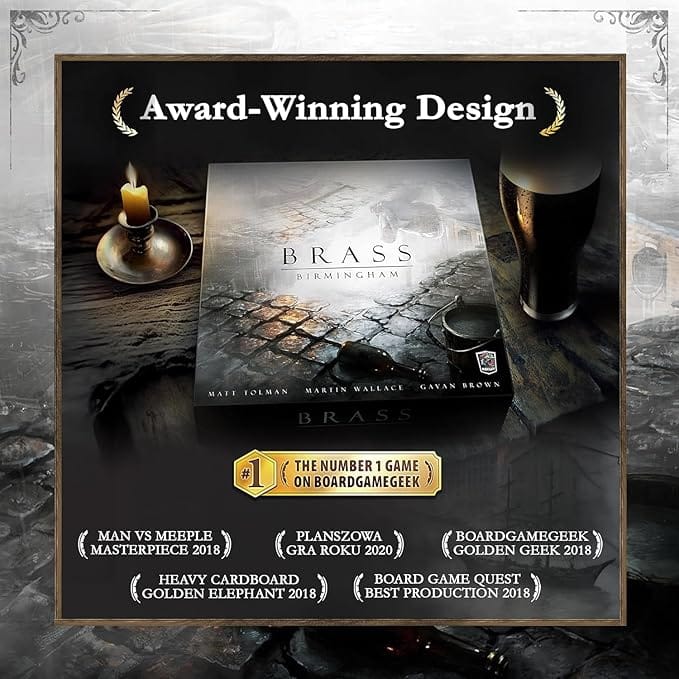
Brass: Birmingham Economic Strategy Board Game by Roxley GamesBrass: Birmingham is an economic strategy board game set in Birmingham during the Industrial Revolution. Players take on the roles of competing entrepreneurs, developing industries, building networks, and managing resources as the city changes over time. This strategy game is a sequel to Brass, challenging players to plan carefully across two distinct periods. Construct industries, establish connections, and develop opportunities while responding to the changing demands of the marketplace. The game is designed by Martin Wallace and published by Roxley Games. It is supplied as a physical tabletop game, measuring approximately 30 × 29.8 × 5.2 cm. The game is made of brass-colored components.63,99 £*Shipping: 0,00 £Secure redirect to the provider
-
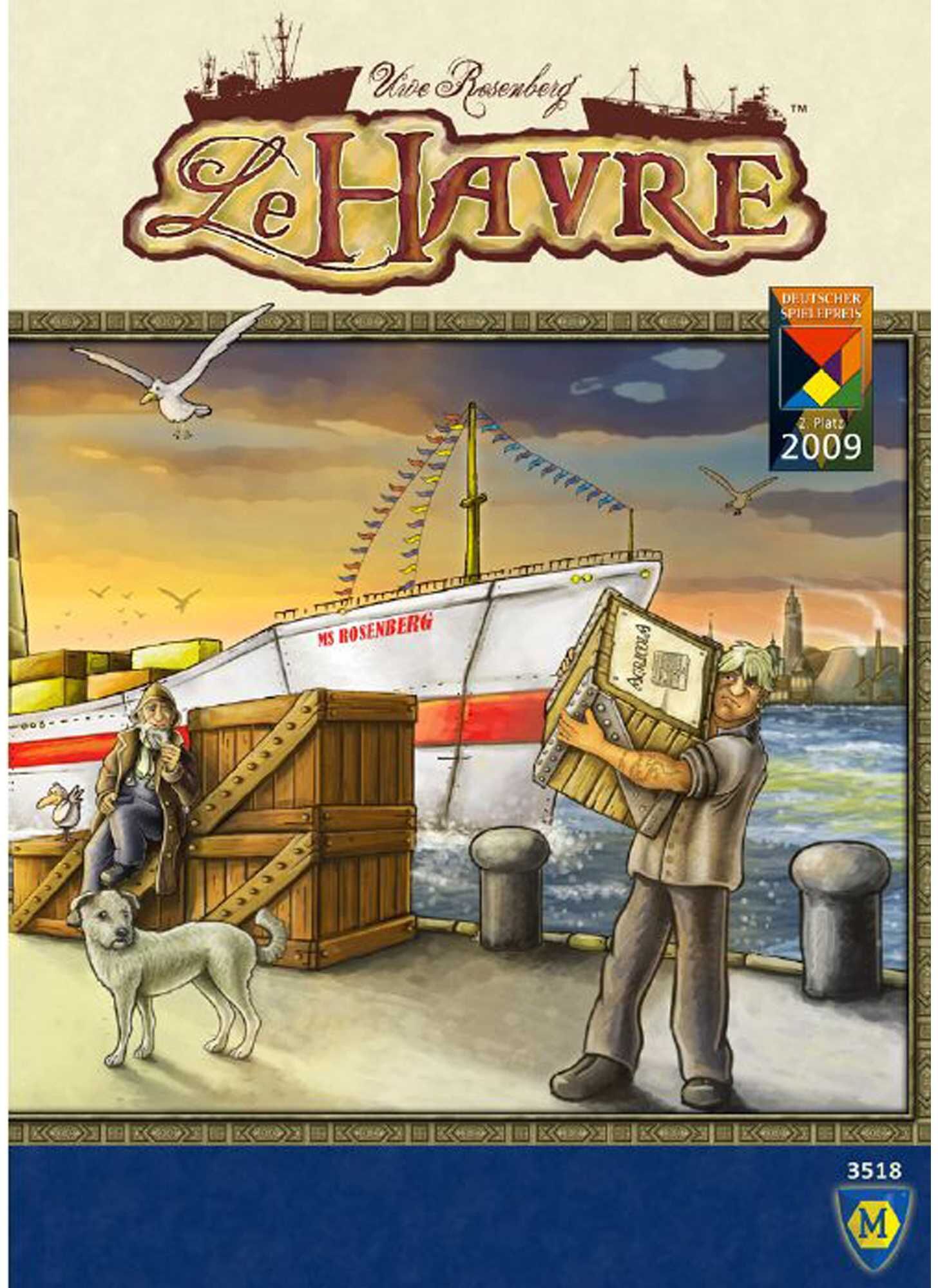
Le Havre Strategic Board Game, Economic Strategy, Lookout SpieleBuild a thriving shipping business in the bustling port of Le Havre. This strategic board game challenges players to manage resources, develop buildings, and invest in ships as they expand their commercial empire. Each round presents important economic choices. Players acquire goods, process resources, and use the harbor's buildings to generate greater value. Careful planning is essential, as workers must be fed while investments and construction compete for limited funds and materials. Le Havre offers a weighty, decision-focused experience for players who enjoy detailed economic strategy and meaningful long-term planning. Its mechanisms reward efficient resource management, adaptable tactics, and well-timed investment.41,99 £*Shipping: 1,99 £Secure redirect to the provider
-
Faber Fintan O'Toole, Up the Republic! (Economic Book, Politics Book)Fintan O'Toole, Up the Republic! (Economic Book, Politics Book) In this important book, historians, lawyers, economists and writers come together to put a coherent case: that although the Irish economic collapse has resulted in national humiliation, renewed emigration and a decline in living standards for the majority of the population, there is still hope that the country can be reformed and renewed. Irish politicians offered the now notorious blanket guarantee to all the banks which had got in over their heads during the great property bubble - including one that had become little more than a criminal enterprise. A different set of politicians grimly enforces the consequences of that guarantee, locking an entire generation of Irish men and women into paying for the mistakes of greedy bankers and their corrupt friends in government. The energy of hope has to come from elsewhere. These essays demonstrate how simple measures and different economic and social policies could release that energy and fulfil the promise of an educated, literate and culturally vibrant people.4,99 £*Shipping: 1,99 £Secure redirect to the provider
-
Crowd Games Nippon: Zaibatsu Strategic Economic Board Game for 1–4 players, Ages 15+Nippon: Zaibatsu is a strategic economic board game set during Japan's Industrial Revolution. Take charge of a powerful zaibatsu, investing in connected businesses as you seek influence across a rapidly modernizing nation. Shape your strategy by developing industries, establishing factories, laying railways, and manufacturing goods for local markets. Complete contracts, pursue valuable bonuses, and decide where your conglomerate's strengths will lie. The choices you make influence both the pace of play and the ways you can score, creating room for different long-term plans. This updated edition revisits the foundations of Nippon with refreshed presentation and reworked systems. New resource types, revised ship mechanisms, and Iwakura missions add further decisions to each game. An automa-driven solo mode also lets one player take on the challenge. Suitable for 1-4 players, this game is recommended for ages 15 and above. Playing time is approximately 60-120 minutes.60,19 £*Shipping: 0,00 £Secure redirect to the provider
-
How are economic cycles and economic growth related?
Economic cycles and economic growth are closely related. Economic cycles refer to the fluctuations in economic activity, including periods of expansion and contraction. Economic growth, on the other hand, refers to the long-term increase in a country's output of goods and services. During an economic expansion phase of the cycle, there is typically higher economic growth, as businesses invest and consumer spending increases. Conversely, during a contraction phase, economic growth tends to slow down or even turn negative. Therefore, economic cycles can have a significant impact on the overall level of economic growth in a country. **
-
What economic and political consequences does the fast fashion industry have?
The fast fashion industry has several economic and political consequences. Economically, it contributes to overconsumption and waste due to its high turnover of clothing styles, leading to environmental issues such as pollution and resource depletion. It also often relies on cheap labor in developing countries, leading to poor working conditions and low wages for garment workers. Politically, the industry can perpetuate inequality and exploitation, as well as create challenges for regulating labor and environmental standards across global supply chains. Additionally, the fast fashion industry can impact local economies by driving out smaller, local businesses that cannot compete with its low prices and high turnover of products. **
-
How does economic growth occur in the economic cycle?
Economic growth occurs in the economic cycle through a combination of factors. During the expansion phase of the cycle, businesses invest in new equipment and technology, leading to increased productivity and output. This increased production leads to higher employment levels and consumer spending, further fueling economic growth. Additionally, during this phase, consumer and business confidence is high, leading to increased investment and spending. Overall, economic growth occurs as a result of increased production, employment, and investment during the expansion phase of the economic cycle. **
-
What is the difference between economic system and economic process?
An economic system refers to the structure and organization of an economy, including the institutions, laws, and policies that govern economic activity. It encompasses the overall framework within which economic decisions are made, resources are allocated, and goods and services are produced and distributed. On the other hand, an economic process refers to the specific actions and activities that take place within an economic system, such as production, consumption, investment, and trade. While the economic system sets the rules and parameters for these processes, the economic process involves the day-to-day activities and transactions that drive the economy. **
Similar search terms for Economic
-
Simon & Schuster Money: A Story of Humanity by David McWilliams Economic History & Global Finance ExplainedIn Money: A Story of Humanity, renowned economist David McWilliams explores the fascinating history of money — not just as currency, but as a powerful force that has shaped human civilisation, relationships, technology, and global society. From ancient barter systems to cryptocurrency revolutions, McWilliams reveals how money reflects our values, ambitions, fears, politics, and culture.Rich with storytelling, sharp insights, and humour, this book makes complex economic ideas accessible, engaging, and deeply human. Perfect for readers who enjoy exploring how history, psychology, markets, and power intersect, Money: A Story of Humanity provides a fresh, eye-opening look at how money drives — and is driven by — human behaviour. Ideal for fans of Yuval Noah Harari, Tim Harford, Niall Ferguson, and Mary Beard.7,99 £*Shipping: 2,99 £Secure redirect to the provider
-
Nucleum: Energy Research Institute Board Game by Board and Dice - Strategic Economic Board Game with Energy Networks and Research DevelopmentBuild an industrial empire in an alternate twentieth century transformed by the Uranium Revolution. In Nucleum: Energy Research Institute, you compete to develop powerful energy networks, attract investment, and earn the support of influential patrons. Plan your routes, expand your research, and connect cities as you develop increasingly ambitious technologies. Every decision affects your progress, from choosing where to construct facilities to deciding when to pursue new contracts and partnerships. Careful resource management and long-term planning are essential as you compete to become a respected entrepreneur of the age. This strategic economic board game is set during an alternate industrial revolution, where you must balance research, investment, construction, and technological progress to succeed.21,99 £*Shipping: 1,99 £Secure redirect to the provider
-
Sagebrook Home Clay Handmade Decorative Vase Textured and Sculptural Artisan DesignInfuse your home with rustic elegance using this handcrafted clay and pottery vase set, perfect for adding character to your living room, bedroom, office, or any favorite nook in your home.158,49 $*Shipping: 0,00 $Secure redirect to the provider
-
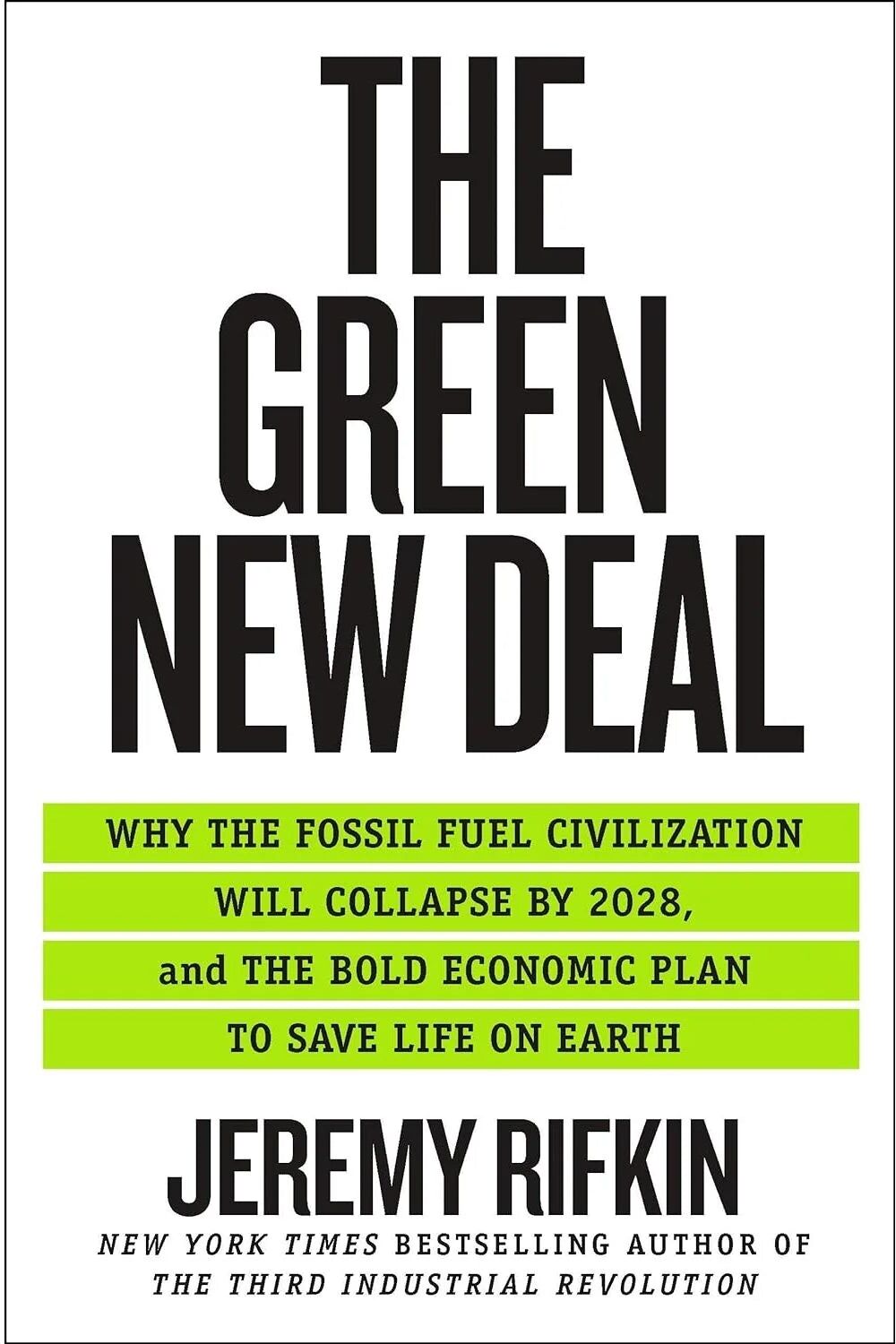
St. Martin's Press The Green New Deal by Jeremy Rifkin - Hardback Non Fiction - Bold Economic Plan for Climate Change and a Post-Carbon FutureThe Green New Deal by Jeremy Rifkin is a non-fiction hardback book that presents an urgent case for why the fossil fuel era is heading for collapse. Written by a New York Times bestselling economic theorist, this book offers sharp analysis for readers interested in climate policy, sustainable economics, and the future of global energy markets. Jeremy Rifkin argues that a convergence of collapsing fossil fuel asset values and a rising green political movement creates a genuine opportunity to pivot the global economy away from carbon before catastrophic climate tipping points are reached. Drawing on twenty-five years of experience helping design Green New Deal-style transitions for the European Union and China, Rifkin explains how a bold economic plan can steer society toward a post-carbon future. Published by St. Martin's Press, this book is suitable for adult readers interested in non-fiction topics.5,99 £*Shipping: 2,99 £Secure redirect to the provider
-
Are we in an economic crisis or a global economic crisis?
We are currently facing a global economic crisis due to the impact of the COVID-19 pandemic. The pandemic has caused widespread disruptions to economies around the world, leading to job losses, business closures, and financial instability. Governments and central banks have implemented various measures to mitigate the economic fallout, but the full extent of the crisis is still unfolding. The interconnected nature of the global economy means that the effects of this crisis are being felt on a worldwide scale. **
-
How can sustainable economic activity be reconciled with simultaneous economic growth?
Sustainable economic activity can be reconciled with simultaneous economic growth by implementing policies and practices that prioritize environmental and social considerations alongside economic development. This can include investing in renewable energy, promoting sustainable agriculture, and implementing regulations to reduce pollution and waste. Additionally, businesses can adopt sustainable practices such as reducing energy consumption, minimizing waste, and promoting fair labor practices. By integrating sustainability into economic decision-making, it is possible to achieve economic growth while also preserving natural resources and promoting social well-being for future generations. **
-
What are economic sectors?
Economic sectors are categories of the economy that group together businesses that produce similar goods or services. The three main economic sectors are primary (agriculture, mining), secondary (manufacturing, construction), and tertiary (services, retail). Each sector plays a vital role in the overall economy and contributes to the production and distribution of goods and services. Understanding the different economic sectors helps policymakers, businesses, and investors make informed decisions about resource allocation and economic development. **
-
What is economic housework?
Economic housework refers to the unpaid labor that individuals, typically women, perform within the household to maintain and care for the home and family. This includes tasks such as cooking, cleaning, childcare, and managing household finances. Despite being essential for the functioning of a household and the well-being of its members, economic housework is often undervalued and goes unrecognized in traditional economic models. This can contribute to gender inequalities in terms of income, career opportunities, and overall well-being. **
* All prices are inclusive of VAT and, if applicable, plus shipping costs. The offer information is based on the details provided by the respective shop and is updated through automated processes. Real-time updates do not occur, so deviations can occur in individual cases. ** Note: Parts of this content were created by AI.